


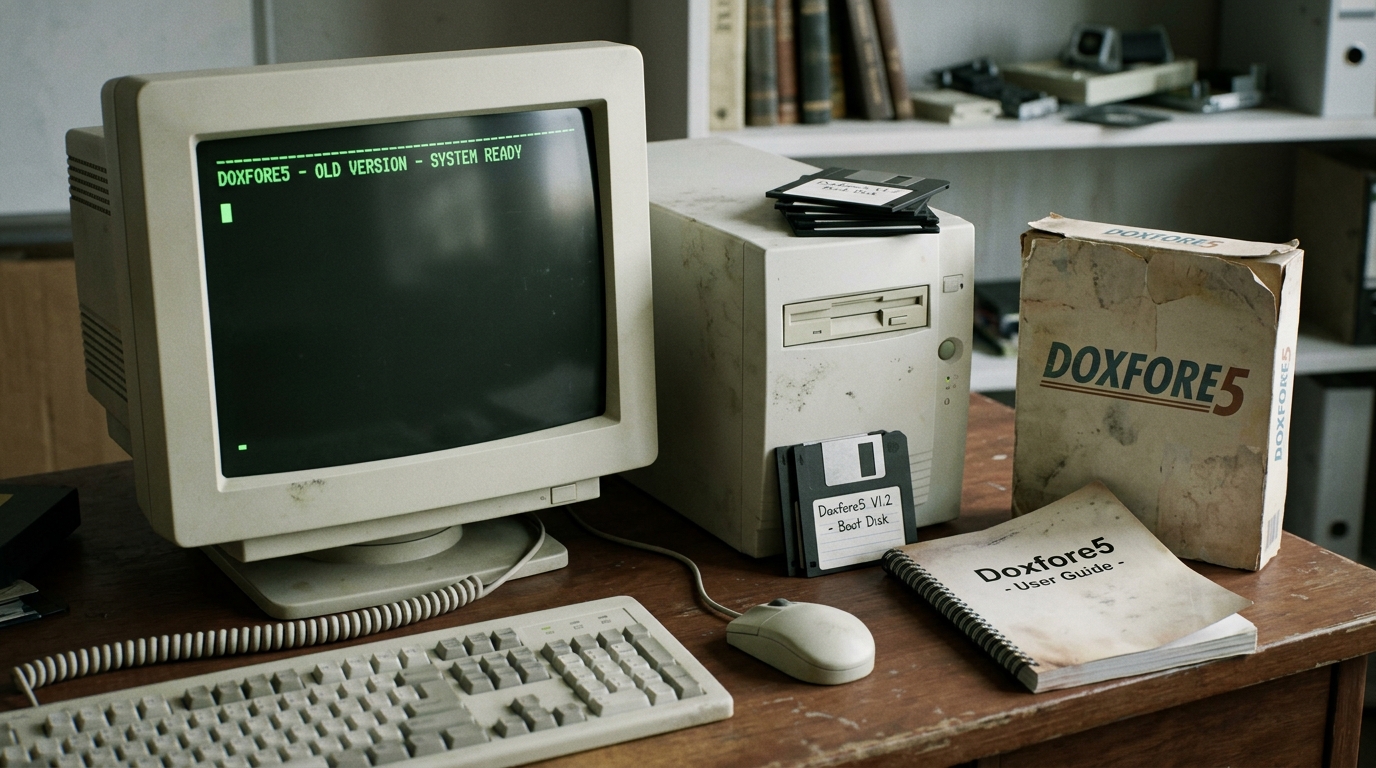
The doxfore5 old version is something many users still search for online, often out of curiosity or compatibility needs. While newer tools and updates exist, interest in the doxfore5 old version continues because of its simplicity and lightweight structure.
In this guide, we will break down what the doxfore5 old version is, why people look for it, and what risks come with using outdated software builds. The goal is to give you a clear, balanced understanding without confusion or hype.
What is Doxfore5 Old Version
The doxfore5 old version refers to earlier releases of the Doxfore5 software that were used before newer updates changed its interface and internal structure. These older builds are usually discussed in forums or archived discussions where users compare functionality and stability.
In simple terms, the doxfore5 old version is an outdated software state that may still run on some systems but lacks modern improvements. Many users look for it when they prefer a simpler interface or when newer versions require higher system resources.
Key Features of Doxfore5 Old Version
The doxfore5 old version was known for its lightweight design, which made it easier to run on older devices. It did not require heavy system resources, which is why some users still prefer it over updated releases.
Another common point mentioned about the doxfore5 old version is its straightforward user interface. It focused more on basic functionality rather than advanced integrations, which made it easier for beginners to navigate.
Why People Search for Doxfore5 Old Version
Many users search for the doxfore5 old version because newer updates sometimes introduce complexity or compatibility issues. Older systems often struggle with updated software, so people try to find earlier builds that work more smoothly.
Another reason the doxfore5 old version remains popular in search trends is nostalgia. Some users simply prefer older layouts and familiar workflows, especially if they have been using the software for a long time.
Risks and Security Concerns
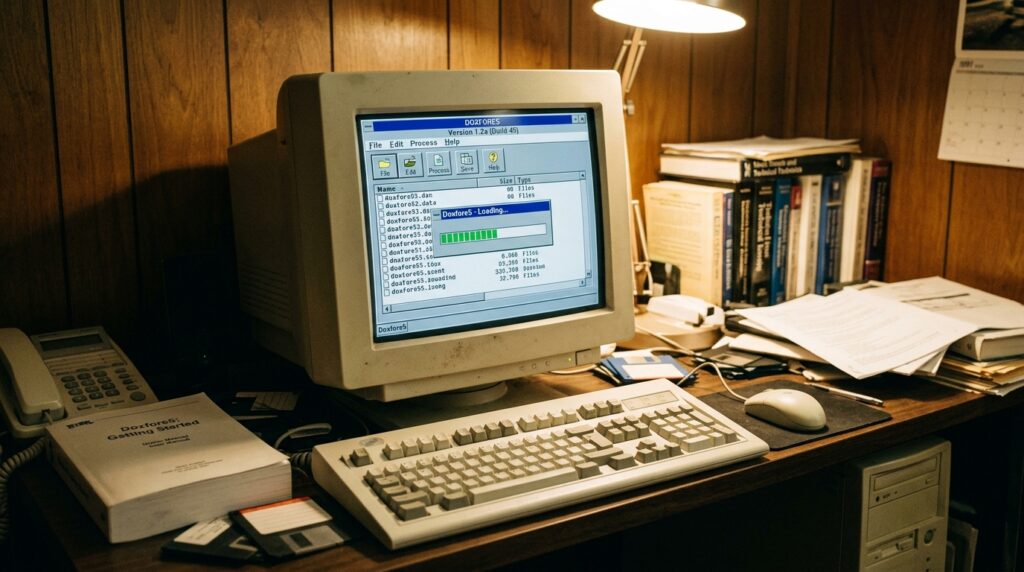
Using the doxfore5 old version comes with clear risks, especially related to security vulnerabilities. Older software is no longer actively maintained, which means bugs and loopholes remain unpatched.
The doxfore5 old version may also lack support for modern encryption and security protocols. This can expose users to data risks, system instability, or compatibility issues with newer operating systems.
Another concern is that unofficial downloads of the doxfore5 old version may contain modified files. These files can introduce malware or unwanted background processes that harm system performance.
Comparison Table
Here is a simple comparison between older and updated versions to help you understand the differences clearly.
| Feature | Doxfore5 Old Version | Updated Version |
|---|---|---|
| System Performance | Lightweight but outdated | Optimized for modern systems |
| Security Updates | No longer supported | Regular patches and fixes |
| Interface | Simple and basic | Enhanced and modernized |
| Compatibility | Limited with new OS | Works with latest systems |
| Stability | Moderate | High stability |
| Feature Set | Basic tools only | Advanced integrations |
The doxfore5 old version clearly falls behind in most technical aspects when compared to updated builds, especially in long-term usability.
Performance and Usability Insights
The doxfore5 old version can still perform basic tasks efficiently, especially on older machines. Its low resource usage makes it appealing for users with limited hardware capabilities.
However, the doxfore5 old version struggles when handling modern workloads or newer system environments. This limitation becomes more noticeable when compared with updated software that is designed for higher performance demands.
Safer Alternatives
Instead of relying on the doxfore5 old version, users can explore updated alternatives that offer better stability and protection. Modern software versions are designed to handle security threats and performance optimization more effectively.
In most cases, moving away from the doxfore5 old version is the safer choice. Updated tools provide regular patches, better support, and smoother integration with current systems, making them more reliable for long-term use.
Expert Opinions
“Old software versions often feel familiar, but they carry hidden risks that are easy to overlook.”
“Using outdated tools like the doxfore5 old version may seem convenient, but it often leads to compatibility issues over time.”
These insights highlight why experts generally advise against relying on outdated builds unless absolutely necessary.
System Requirements and Compatibility Notes
The dofore5 old version was originally built for lighter environments, which is why it still runs on older setups without major issues. Users with limited hardware often find it easier to handle compared to modern builds.
In most cases, the dofore5 old version works best on earlier operating systems or systems with minimal background processes. However, once you move to newer environments, compatibility gaps become more visible, especially in performance-heavy tasks.
Installation and Setup Considerations
Installing the dofore5 old version is usually straightforward, but the process depends heavily on where the file is obtained. Many users report that unofficial sources can complicate installation due to altered files or missing components.
A clean installation of the dofore5 old version typically requires disabling certain modern security blocks, which can itself create risks. This is why careful handling is important, especially if the software is being used in a production environment.
Common Issues Users Face
One of the most common problems with the dofore5 old version is instability when running alongside updated system libraries. Crashes or freezing can occur if dependencies are not aligned properly.
Another frequent issue with the dofore5 old version is missing functionality. Features that exist in newer versions simply do not exist here, which can limit workflow efficiency and overall usability.
Troubleshooting Older Builds
When working with the dofore5 old version, most troubleshooting steps focus on compatibility adjustments. Users often try running it in compatibility mode or isolating it from other heavy applications.
In some cases, reinstalling the dofore5 old version from a clean source resolves minor errors. However, deeper issues related to outdated architecture cannot always be fixed without upgrading to a newer release.
User Feedback and Experience
Feedback on the dofore5 old version is mixed. Some users appreciate its simplicity and low system demand, while others find it too limited for modern needs.
A common opinion is that the dofore5 old version feels fast on older machines but quickly shows its age when used in more demanding environments. This contrast is one of the main reasons opinions remain divided.
Best Practices for Handling Old Software Versions
If someone still chooses to use the dofore5 old version, it is important to follow safer usage habits. Running it in a controlled environment or sandbox can reduce potential risks.
It is also recommended to avoid relying on the dofore5 old version for sensitive tasks. Since it lacks modern updates, separating it from critical workflows helps prevent unnecessary exposure.
Advanced Insights on Doxfore5 Old Version
From a technical perspective, the dofore5 old version represents a snapshot of early development stages. It reflects design choices that prioritized simplicity over scalability.
Over time, the dofore5 old version became less relevant as systems evolved. However, it still serves as a reference point for understanding how software design has improved in newer releases.
Extended Performance Comparison
Here is a deeper look at how the dofore5 old version compares under different usage conditions.
| Scenario | Doxfore5 Old Version | Modern Version |
|---|---|---|
| Light tasks | Smooth and stable | Smooth and stable |
| Heavy processing | Struggles significantly | Optimized performance |
| Multitasking | Limited capability | Strong multitasking support |
| Security handling | Outdated | Strong and updated |
| Long-term use | Not recommended | Fully supported |
This comparison shows that while the dofore5 old version still has niche use cases, it falls behind in almost every advanced scenario.
Conclusion
The dofore5 old version remains a topic of interest because of its simplicity and lightweight performance. However, its limitations become clear when compared to modern software standards.
While the doxfore5 old version may still work in specific cases, it is not recommended for long-term use due to security and compatibility concerns. Choosing updated software ensures better protection, stability, and overall performance.
FAQs
What is doxfore5 old version used for?
The dofore5 old version is mainly used by individuals who prefer older software interfaces or need compatibility with legacy systems. However, its usage is limited due to outdated features.
Is doxfore5 old version safe to use?
The dofore5 old version is not considered fully safe because it no longer receives security updates, which increases vulnerability to threats.
Why do people still download doxfore5 old version?
Many users download the dofore5 old version due to system compatibility issues or preference for simpler interfaces found in older releases.
Can doxfore5 old version run on modern systems?
The dofore5 old version may run on some modern systems, but performance and stability issues are common due to lack of optimization.
What are the risks of using doxfore5 old version?
The dofore5 old version carries risks like security vulnerabilities, missing updates, and potential malware exposure from unofficial downloads.
Should I upgrade from doxfore5 old version?
Yes, upgrading is strongly recommended. The dofore5 old version lacks support and modern features, making updated versions far more reliable and secure.
