


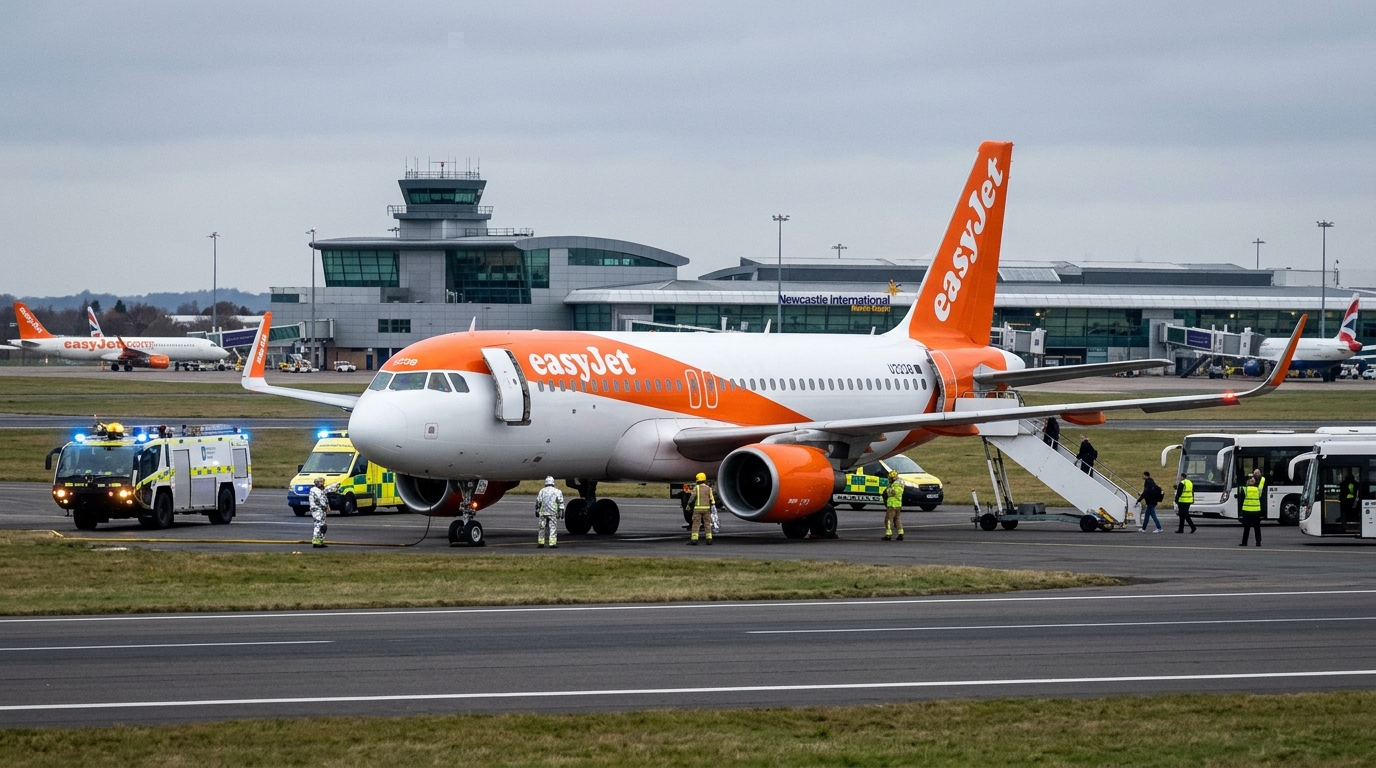
Air travel is widely regarded as one of the safest forms of transportation in the world. However, there are occasions when flights encounter unexpected technical issues or operational concerns that require immediate action. One event that attracted significant public attention was the EasyJet Flight U2238 Emergency Landing Newcastle incident. Passengers, aviation enthusiasts, and travelers alike became curious about what occurred, how the crew responded, and what lessons could be learned from the situation.
The EasyJet Flight U2238 Emergency Landing Newcastle event highlighted the importance of airline safety procedures and the professionalism of flight crews when dealing with unexpected circumstances. While emergency landings often sound alarming, they are usually precautionary measures designed to ensure passenger safety.
Understanding the EasyJet Flight U2238 Emergency Landing Newcastle Incident
The EasyJet Flight U2238 Emergency Landing Newcastle incident became a topic of discussion because emergency landings naturally attract public attention. Whenever a pilot declares an emergency, aviation authorities, airport staff, and airline teams coordinate to ensure the safest possible outcome.
In most aviation situations, an emergency landing does not necessarily mean the aircraft is in immediate danger. Instead, it often indicates that pilots have detected an issue that requires attention before continuing the journey. Such decisions are made based on strict safety standards and operational procedures.
The event demonstrated how modern aviation systems are designed to prioritize passenger well-being above all else. Pilots receive extensive training to manage unusual situations calmly and efficiently.
| Detail | Information |
|---|---|
| Flight Number | U2238 |
| Airline | EasyJet |
| Incident Type | Emergency Landing |
| Location | Newcastle Airport |
| Priority | Passenger Safety |
| Outcome | Safe Landing |
| Crew Response | Professional and Timely |
| Passenger Impact | Temporary Travel Disruption |
What Is an Emergency Landing?
An emergency landing occurs when an aircraft must land sooner than planned because of a technical issue, medical emergency, weather concern, or other operational challenge. Airlines and pilots are trained to treat even minor concerns seriously.
In the case of EasyJet Flight U2238 Emergency Landing Newcastle, the decision to land was reportedly made as a precautionary measure. This reflects a common aviation philosophy: addressing potential problems early rather than taking unnecessary risks.
Emergency landings are part of normal aviation safety planning. Every airport, airline, and crew prepares for these situations through regular training and emergency response exercises.
“A safe emergency landing is evidence that aviation safety systems and crew training are working exactly as intended.”
Possible Reasons Behind Emergency Landings
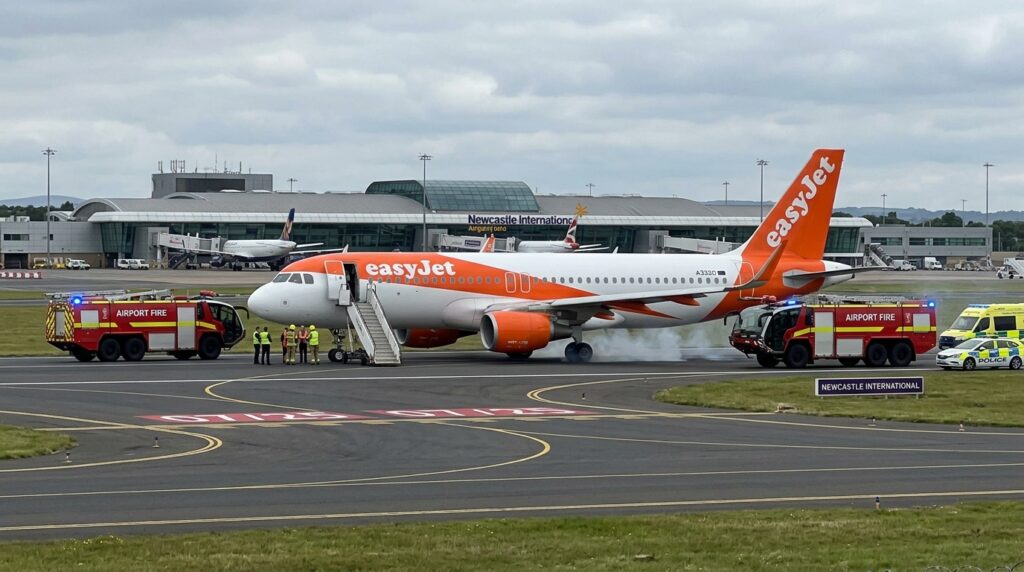
Although every incident has unique circumstances, several common factors can lead to an emergency landing.
Technical warnings are among the most frequent reasons. Modern aircraft contain sophisticated monitoring systems that alert pilots whenever an unusual condition is detected. Even a minor warning light can prompt a precautionary landing.
Medical emergencies involving passengers or crew members can also require immediate landing. In some cases, rapid medical treatment becomes the highest priority.
Weather conditions sometimes create challenges that force pilots to alter routes or land earlier than expected. Strong winds, severe turbulence, and visibility issues can influence operational decisions.
Bird strikes, unusual engine indications, cabin pressurization concerns, or communication system faults may also contribute to emergency declarations.
How Pilots Handle Situations Like EasyJet Flight U2238 Emergency Landing Newcastle
Pilot training is one of the strongest safety features in aviation. Before becoming airline captains, pilots spend thousands of hours learning how to respond to emergencies.
During the EasyJet Flight U2238 Emergency Landing Newcastle event, standard aviation procedures would have guided every action taken by the flight crew. Pilots communicate with air traffic control, evaluate aircraft systems, and follow detailed checklists.
These checklists are designed to reduce human error and ensure every critical step is completed. Modern cockpits contain multiple layers of backup systems that help crews manage unexpected situations effectively.
Communication also plays an important role. Passengers are usually informed when circumstances permit, helping reduce uncertainty and maintain calm inside the cabin.
Passenger Experience During the Incident
For passengers, hearing the words “emergency landing” can be stressful. Many travelers immediately worry about their safety, even when the situation is largely precautionary.
During incidents such as the EasyJet Flight U2238 Emergency Landing Newcastle, cabin crew members play a vital role in reassuring passengers. Their training focuses on maintaining order, providing instructions, and ensuring everyone remains prepared for landing.
Passengers are typically asked to fasten seat belts, secure belongings, and follow crew directions. These simple actions contribute significantly to overall safety.
Once the aircraft lands safely, many travelers express appreciation for the professionalism shown by both pilots and cabin crew throughout the event.
The Role of Newcastle Airport
Airports are prepared to support emergency landings at any time. Newcastle Airport, like other major airports, has emergency response teams ready to act whenever an aircraft declares an emergency.
The airport coordinates closely with air traffic control, airline personnel, firefighters, medical teams, and security staff. This coordination ensures that resources are available immediately if required.
The EasyJet Flight U2238 Emergency Landing Newcastle situation demonstrated the effectiveness of airport emergency preparedness. Even when no major danger exists, response teams remain ready as a precaution.
This level of preparation helps maintain confidence in commercial aviation and ensures quick support whenever unexpected events occur.
Why Emergency Landings Often End Safely
Many people associate emergency landings with severe aviation accidents. In reality, most emergency landings conclude without injuries or significant damage.
Modern aircraft are built with extensive safety redundancies. Multiple backup systems ensure that a single issue rarely compromises overall aircraft performance.
The EasyJet Flight U2238 Emergency Landing Newcastle event serves as an example of how preventive action contributes to safe outcomes. Pilots are encouraged to make conservative decisions whenever safety questions arise.
Regulatory oversight, maintenance programs, crew training, and technological advancements all contribute to aviation’s impressive safety record.
Aviation Safety Measures That Protect Passengers
Every commercial flight benefits from layers of safety measures working together behind the scenes.
Aircraft undergo routine inspections before departure. Engineers review maintenance records and address technical concerns according to strict regulations.
Pilots complete detailed pre-flight checks and continuously monitor aircraft systems throughout the journey. Air traffic controllers provide additional oversight while guiding flights safely through controlled airspace.
The EasyJet Flight U2238 Emergency Landing Newcastle incident reminds travelers that these safety systems exist precisely for unexpected situations. When a concern emerges, procedures activate immediately to protect everyone onboard.
Continuous improvements in technology have further enhanced aviation safety over recent decades.
Public Reaction to EasyJet Flight U2238 Emergency Landing Newcastle
News of the EasyJet Flight U2238 Emergency Landing Newcastle quickly generated interest among travelers and aviation observers. Emergency landings naturally attract media coverage because they involve passenger safety.
Many people praised the flight crew for their calm handling of the situation. Aviation experts frequently point out that declaring an emergency should be viewed as a sign of responsible decision-making rather than a cause for alarm.
Public discussions often highlight the professionalism required to manage such events successfully. The safe outcome reinforces confidence in airline safety standards and emergency preparedness.
Passengers increasingly understand that precautionary landings are often evidence of a safety-first culture rather than indications of catastrophe.
Lessons Travelers Can Learn
The EasyJet Flight U2238 Emergency Landing Newcastle incident offers valuable lessons for travelers.
Following crew instructions remains one of the most important responsibilities of passengers. Safety briefings may seem routine, but they provide information that becomes essential during unusual situations.
Remaining calm can also improve outcomes. Aviation professionals are trained extensively to manage emergencies, and passengers benefit from trusting that expertise.
Travel insurance, updated contact information, and flexibility with travel plans can help reduce stress when unexpected disruptions occur.
Most importantly, travelers should remember that emergency landings are designed to increase safety, not signal impending disaster.
Conclusion
The EasyJet Flight U2238 Emergency Landing Newcastle event serves as an important reminder of how modern aviation prioritizes safety. While emergency landings can sound dramatic, they are often precautionary measures taken by highly trained professionals acting in the best interests of passengers and crew.
From advanced aircraft technology to experienced pilots and well-prepared airport teams, every aspect of commercial aviation is built around risk management and passenger protection. The successful outcome of the incident demonstrates the effectiveness of these systems.
Ultimately, the EasyJet Flight U2238 Emergency Landing Newcastle story highlights why air travel remains one of the safest transportation methods available today. Safety procedures, rapid decision-making, and coordinated emergency responses continue to protect millions of passengers every year.
FAQs
What was the EasyJet Flight U2238 Emergency Landing Newcastle incident?
The EasyJet Flight U2238 Emergency Landing Newcastle incident involved an EasyJet aircraft making a precautionary emergency landing. Such landings are typically carried out when pilots identify a potential issue that requires immediate attention and safety evaluation.
Was anyone injured during EasyJet Flight U2238 Emergency Landing Newcastle?
Reports surrounding the EasyJet Flight U2238 Emergency Landing Newcastle indicate that the aircraft landed safely. Emergency procedures are designed to minimize risk and protect passengers throughout the process.
Why do airlines declare emergency landings?
Airlines declare emergency landings for various reasons, including technical alerts, medical emergencies, weather concerns, or operational issues. The decision prioritizes safety and allows ground services to prepare for the aircraft’s arrival.
How common are emergency landings in commercial aviation?
Emergency landings are relatively uncommon, but they occur regularly enough that airlines and airports maintain detailed response procedures. Most emergency landings end safely without serious consequences.
What can passengers do during an emergency landing?
Passengers should listen carefully to crew instructions, remain seated with seat belts fastened, avoid panic, and follow all safety guidance provided by the cabin crew. Cooperation helps ensure the safest possible outcome for everyone onboard.
What does the EasyJet Flight U2238 Emergency Landing Newcastle event teach travelers?
The EasyJet Flight U2238 Emergency Landing Newcastle event demonstrates the effectiveness of aviation safety systems, pilot training, and emergency preparedness. It shows that precautionary actions are an essential part of maintaining passenger safety.
