


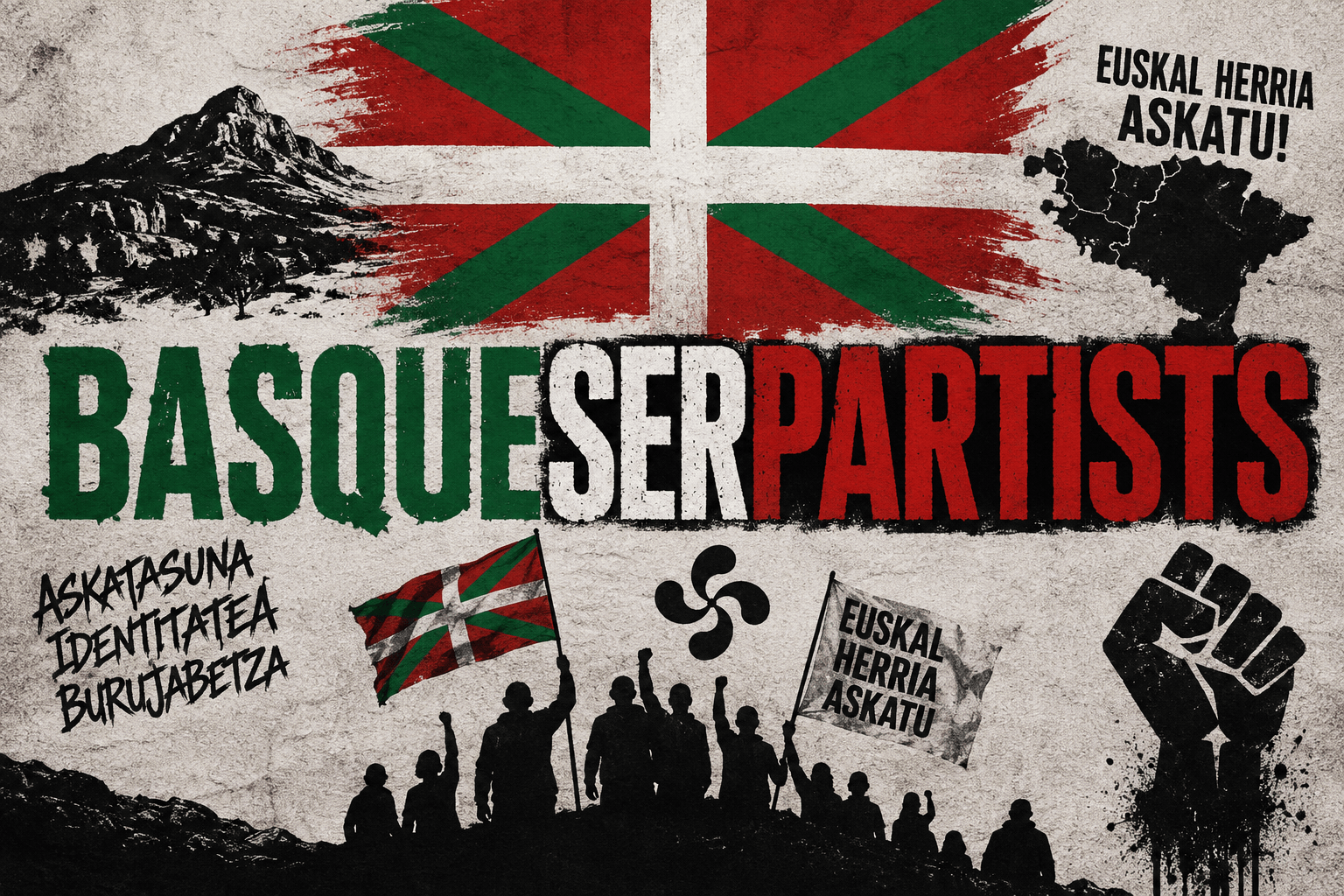
The term basqueserpartists is often associated with individuals or groups connected to the idea of Basque independence and self-determination. The Basque region, located between northern Spain and southwestern France, has a unique cultural identity that has survived for centuries. Because of its distinct language, traditions, and history, many people have shown interest in understanding the movement and beliefs linked to basqueserpartists.
Over the years, discussions about basqueserpartists have evolved from political debates to broader conversations about cultural preservation, regional autonomy, and national identity. While some people view the movement through a political lens, others see it as a reflection of a community’s desire to protect its heritage and traditions.
The Origins of Basqueserpartists
The roots of basqueserpartists can be traced back hundreds of years. The Basque people have long maintained a strong sense of identity separate from surrounding regions. Their language, known as Euskara, is one of the oldest living languages in Europe and is unrelated to most other European languages.
As modern nation-states developed across Europe, many Basque communities became concerned about preserving their traditions and local governance. This concern eventually contributed to movements advocating greater autonomy and recognition. These historical developments helped shape what many now associate with basqueserpartists.
The growth of industrialization during the nineteenth century also influenced regional politics. Economic changes brought migration and new cultural influences, leading some residents to emphasize the importance of maintaining their unique identity.
At the same time, local leaders and intellectuals promoted awareness of Basque history and traditions. Their efforts played a significant role in strengthening regional pride and encouraging discussions about self-governance.
| Topic | Details |
|---|---|
| Region | Basque Country |
| Main Focus | Cultural identity and self-determination |
| Language | Euskara (Basque Language) |
| Countries Involved | Spain and France |
| Historical Background | Centuries-old regional identity |
| Modern Relevance | Political, cultural, and social discussions |
| Key Concern | Preservation of heritage and autonomy |
“A people without knowledge of their history and culture may struggle to preserve their identity for future generations.”
The Cultural Identity Behind Basqueserpartists
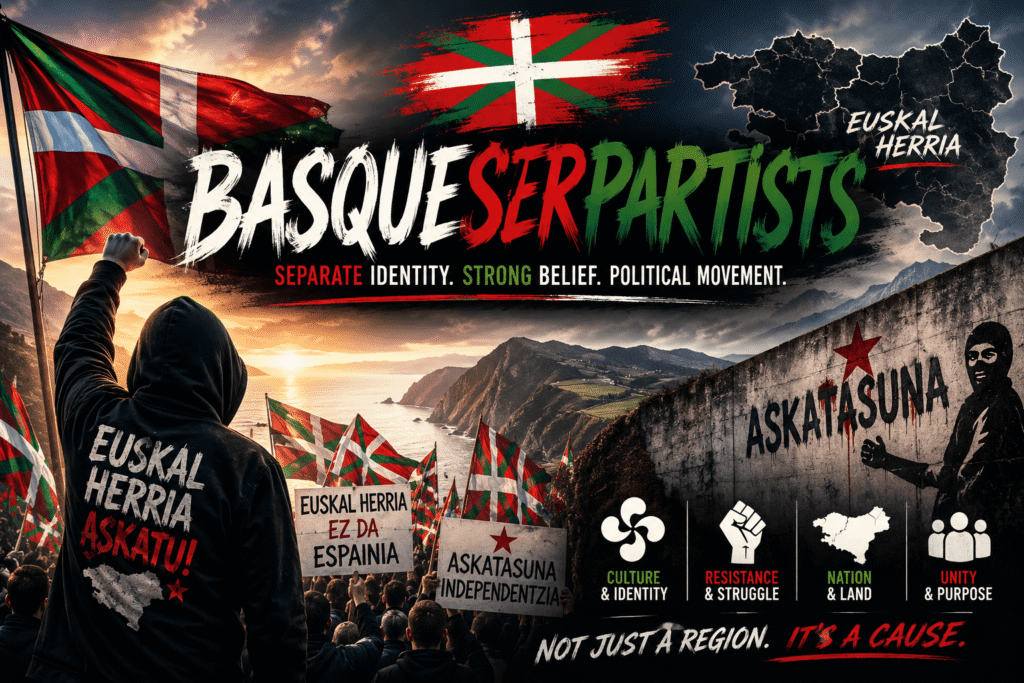
Understanding basqueserpartists requires looking beyond politics. Culture plays a major role in shaping the movement and its supporters. The Basque people possess customs and traditions that have been passed down through generations.
Traditional music, dance, sports, and festivals remain important aspects of daily life in many Basque communities. These cultural elements help strengthen connections between generations and reinforce a sense of belonging.
Language preservation is another major factor. Euskara serves as a symbol of identity and continuity. Many educational and cultural programs focus on teaching and promoting the language to younger generations.
Food traditions also contribute to cultural pride. Basque cuisine is recognized worldwide for its quality and creativity. Local dishes, community meals, and culinary events help preserve cultural practices while attracting international attention.
Historical Events That Influenced Basqueserpartists
Several historical events helped shape the development of basqueserpartists and related movements. Political transformations across Europe often affected how regional communities viewed their future.
During different periods of Spanish history, regional rights and autonomy experienced significant changes. Some policies restricted local institutions and cultural expression, creating tensions between central governments and regional populations.
These restrictions often motivated activists and community leaders to advocate for greater recognition. Their efforts varied over time, ranging from peaceful cultural initiatives to political campaigns.
The twentieth century brought particularly intense debates. Political instability, social change, and shifting government policies contributed to the growth of movements focused on Basque identity and self-determination.
As democracy expanded, new opportunities emerged for dialogue and regional governance. These developments significantly influenced modern perspectives associated with basqueserpartists.
Why Basqueserpartists Remain Relevant Today
Many people wonder why discussions about basqueserpartists continue in the modern era. The answer lies in ongoing questions about identity, governance, and cultural preservation.
Globalization has increased cultural exchange around the world. While this creates opportunities, it also raises concerns about preserving unique traditions. For some communities, maintaining local identity becomes increasingly important in a rapidly changing environment.
Regional autonomy remains a topic of discussion in many countries. The experiences connected to basqueserpartists often serve as examples in broader conversations about self-governance and minority rights.
Educational institutions, researchers, and policymakers continue studying these issues because they provide valuable insights into how communities balance tradition with modernization.
The topic also attracts international attention because similar debates exist in various regions around the world.
Common Beliefs Associated With Basqueserpartists
Although opinions vary widely, several themes are commonly associated with basqueserpartists. These themes often center on identity, culture, and regional decision-making.
Many supporters emphasize the importance of protecting cultural traditions. They believe that language, customs, and historical heritage should remain central parts of community life.
Another common focus involves regional autonomy. Advocates may support increased local control over education, economic policies, and cultural programs.
Respect for historical identity also plays a major role. Many people associated with basqueserpartists argue that preserving a distinct cultural legacy benefits future generations.
However, it is important to recognize that perspectives differ significantly among individuals and organizations connected to these discussions.
The Role of Language in Basqueserpartists Movements
Language stands at the heart of Basque identity. Euskara is often viewed as one of the strongest symbols of cultural continuity and uniqueness.
Unlike many European languages, Euskara has no clear linguistic relatives. This distinctiveness contributes to its cultural significance and helps explain why language preservation remains a priority.
Schools, cultural centers, and community organizations actively promote language education. These efforts have helped increase the number of speakers in recent decades.
For many people interested in basqueserpartists, language represents more than communication. It serves as a connection to history, traditions, and collective identity.
The survival of Euskara is often considered one of the most important achievements of Basque cultural preservation efforts.
Cultural Traditions and Community Values
Basque communities are known for strong social bonds and active participation in local traditions. These values contribute to the broader identity often associated with basqueserpartists.
Traditional festivals celebrate local history, music, and community spirit. These events attract both residents and visitors while helping preserve cultural heritage.
Sports also hold a special place in Basque society. Activities such as rural sports competitions highlight historical traditions and regional pride.
Family connections remain important as well. Many cultural practices are passed from older generations to younger members through storytelling, celebrations, and community gatherings.
These traditions continue to shape modern perceptions of Basque identity and cultural resilience.
Challenges Faced by Basqueserpartists
Like many cultural and political movements, basqueserpartists face various challenges. One major issue involves balancing tradition with modernization.
Younger generations often experience global influences through technology, travel, and education. While these opportunities can be beneficial, they may also create concerns about cultural preservation.
Economic factors present additional challenges. Communities must adapt to changing industries and employment patterns while maintaining local traditions.
Political disagreements can also complicate discussions. Different groups may have varying views regarding autonomy, governance, and cultural priorities.
Despite these challenges, ongoing dialogue helps communities explore solutions that respect both heritage and contemporary realities.
The Global Impact of Basqueserpartists
The experiences associated with basqueserpartists have influenced discussions beyond the Basque region. Scholars and policymakers often examine these developments when studying regional identity movements.
The Basque example demonstrates how communities can work to preserve language and culture despite external pressures. This experience provides valuable lessons for other regions seeking to maintain unique traditions.
International organizations and researchers frequently explore the relationship between cultural identity and political participation. The history of basqueserpartists offers important insights into these topics.
Tourism has also contributed to global awareness. Visitors interested in Basque culture often learn about its history, traditions, and ongoing efforts to preserve local identity.
As a result, the subject continues to attract attention from people around the world.
How Basqueserpartists Are Viewed in Modern Society
Public opinion regarding basqueserpartists varies depending on historical experiences, political perspectives, and cultural backgrounds.
Some individuals focus primarily on cultural preservation and language promotion. Others emphasize questions of governance and regional autonomy.
Academic research often highlights the complexity of the topic. Rather than viewing it through a single perspective, scholars examine social, historical, and cultural factors together.
Media coverage can sometimes simplify these discussions, but the reality is often more nuanced. Understanding the broader context helps create a more balanced perspective.
Today, many conversations focus on peaceful dialogue, democratic participation, and cultural development.
The Future of Basqueserpartists
The future of basqueserpartists will likely depend on how communities respond to social, cultural, and political changes.
Technology provides new opportunities for language learning and cultural preservation. Digital platforms make it easier to share traditions with wider audiences.
Educational programs continue supporting cultural awareness among younger generations. These efforts may help ensure that important aspects of Basque identity remain strong in the future.
Economic development and international cooperation could also influence future discussions. Communities may seek ways to balance local traditions with global opportunities.
Regardless of political outcomes, the commitment to preserving Basque heritage is expected to remain an important part of regional life.
Conclusion
The story of basqueserpartists is deeply connected to history, culture, language, and identity. While political discussions often receive attention, the broader movement reflects a long-standing effort to preserve a unique cultural heritage. From the survival of Euskara to the celebration of traditional customs, the Basque people have demonstrated remarkable dedication to maintaining their identity.
As the world becomes increasingly interconnected, the experiences linked to basqueserpartists offer valuable lessons about cultural preservation, community values, and the importance of understanding diverse perspectives. Whether viewed through a cultural, historical, or political lens, the topic remains relevant and worthy of continued exploration.
FAQ
What does basqueserpartists mean?
Basqueserpartists generally refers to individuals or groups associated with ideas of Basque self-determination, cultural preservation, and regional identity. The term is connected to the unique history and traditions of the Basque people.
Why are basqueserpartists important in history?
Basqueserpartists are important because they reflect centuries of efforts to protect Basque language, culture, and local traditions. Their history provides insight into broader discussions about identity and autonomy.
What language is connected to basqueserpartists?
The language most closely connected to basqueserpartists is Euskara, also known as Basque. It is one of Europe’s oldest living languages and remains a key symbol of cultural identity.
Are basqueserpartists focused only on politics?
No. While political issues may be part of the discussion, many people associated with basqueserpartists focus on cultural preservation, language education, historical awareness, and community traditions.
How do basqueserpartists influence modern society?
Basqueserpartists influence modern society by contributing to conversations about cultural diversity, regional identity, language preservation, and local governance. Their experiences are often studied in academic and policy discussions.
What challenges do basqueserpartists face today?
Modern challenges include globalization, cultural change, economic pressures, and differing opinions about autonomy. Despite these issues, many continue working to preserve Basque heritage and traditions.
What is the future of basqueserpartists?
The future of basqueserpartists will likely involve continued efforts to protect cultural identity while adapting to modern social and economic realities. Education, technology, and community engagement are expected to play important roles.
