


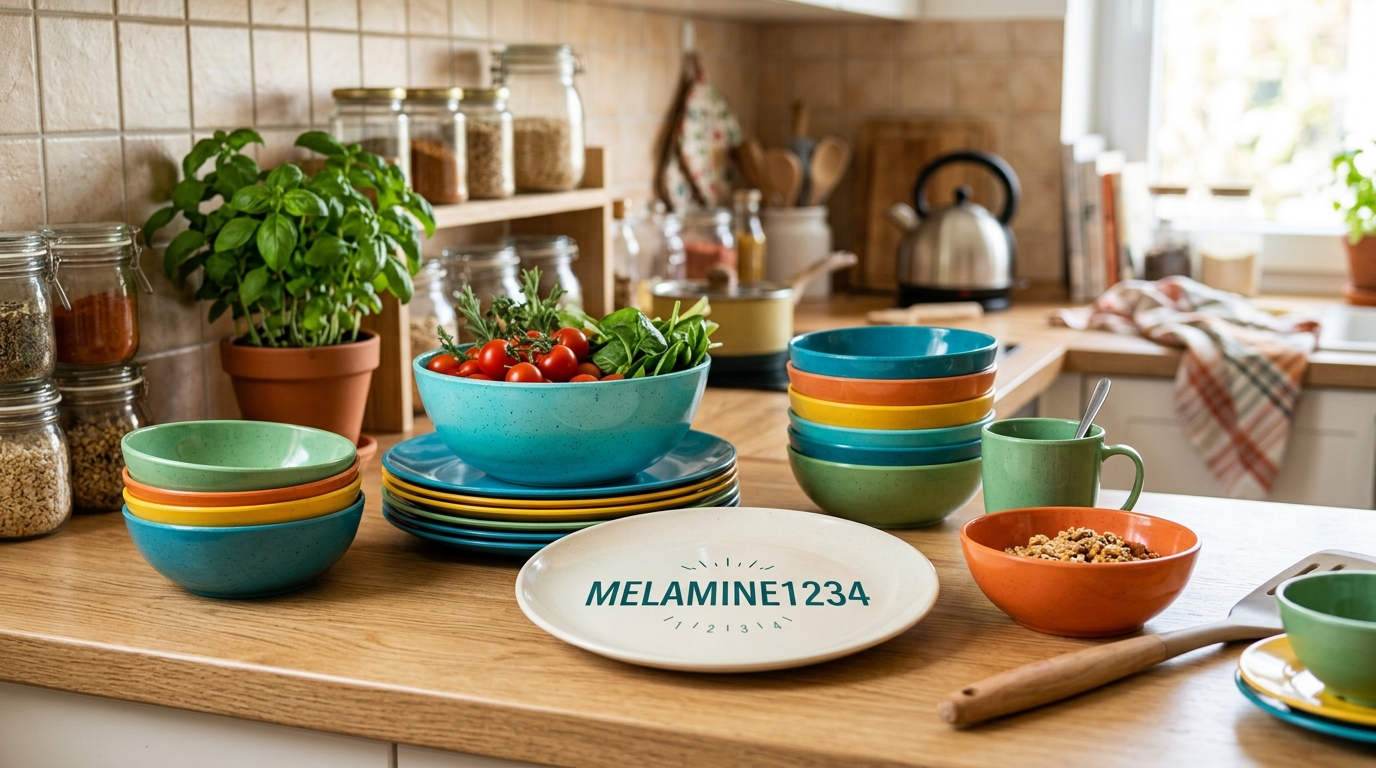
Melamine1234 is a term that often appears in material science discussions, industrial product references, and manufacturing contexts. While it may sound highly technical, it relates to a category of engineered compounds and surface materials used across multiple industries.
In this guide, we break down melamine1234 in a simple way so you can understand where it is used, how it behaves, and why it matters. The focus is on clarity, practical insights, and real-world applications of melamine1234.
What is Melamine1234?
Melamine1234 refers to a structured material concept often associated with engineered resins and composite surfaces. It is widely discussed in manufacturing environments where durability and surface finish matter.
At its core, melamine1234 is linked to the broader melamine-based material family used in laminates, coatings, and molded products. Understanding melamine1234 helps in identifying how these materials perform under pressure, heat, and daily use.
Melamine1234 is valued because it combines affordability with strength, making it a common choice in industrial and household production.
Another reason melamine1234 is important is its adaptability. It can be shaped into sheets, coatings, or molded forms depending on the intended application.
Common Uses and Applications of Melamine1234
Melamine1234 is widely used in furniture manufacturing, especially for laminated boards and decorative surfaces. Its ability to resist scratches and stains makes it suitable for daily-use items.
In construction and interior design, melamine1234 is often used for cabinetry, wall panels, and flooring layers. It offers a smooth finish while maintaining structural reliability.
Melamine1234 also appears in kitchenware, office furniture, and storage solutions. Its versatility allows manufacturers to design lightweight yet durable products for various environments.
In industrial settings, melamine1234 is used in protective coatings and surface engineering. These applications benefit from its stability and resistance to wear.
“Materials like melamine1234 bridge the gap between cost efficiency and long-term durability in modern production systems.”
Properties and Material Behavior
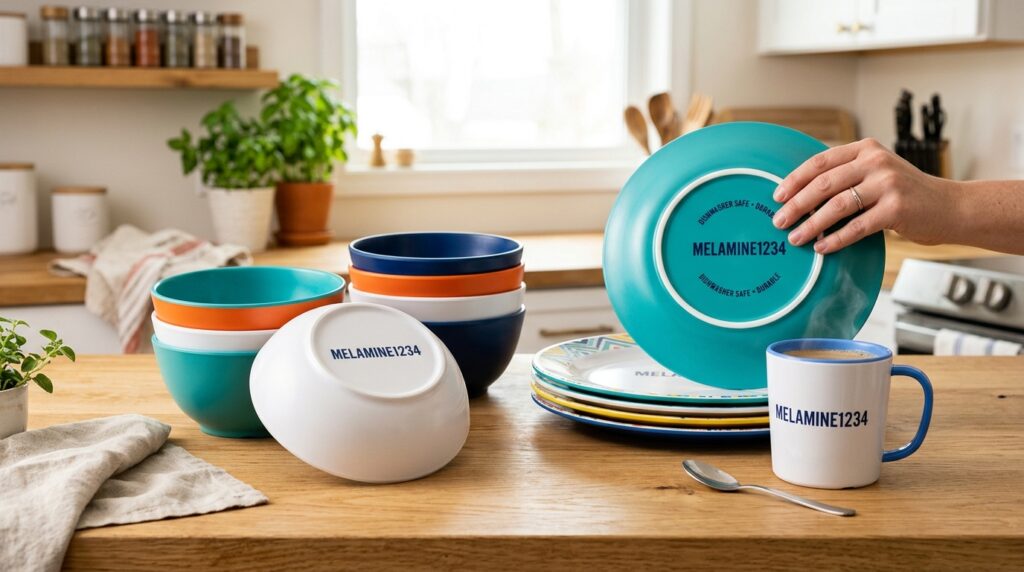
Melamine1234 is known for its hardness and resistance to surface damage. This makes it suitable for environments where frequent use can lead to wear and tear.
Another key property of melamine1234 is its heat resistance. It maintains stability under moderate temperature conditions, which is why it is used in kitchens and industrial workspaces.
Melamine1234 also has a smooth finish that can mimic natural textures like wood or stone. This aesthetic flexibility makes it a favorite in interior design applications.
From a chemical perspective, melamine1234 shows strong bonding characteristics when combined with resins, which improves its durability and lifespan.
Overall, melamine1234 performs well in both functional and decorative roles, balancing strength and appearance effectively.
Safety Considerations and Handling
When dealing with melamine1234, proper handling is important during manufacturing and processing. Like many engineered materials, it requires controlled conditions for safe use.
Melamine1234 is generally stable in finished products, but exposure to extreme heat during processing should be avoided. This ensures the material maintains its integrity and does not degrade.
In everyday applications, melamine1234 is considered safe when used as intended. It is commonly found in household items that meet industrial safety standards.
Workers handling melamine1234 in raw form should follow standard safety protocols, including ventilation and protective equipment, to minimize exposure during production stages.
Proper storage and handling help maintain the quality and performance of melamine1234 over time.
Comparison Table and Industry Insights
Melamine1234 is often compared with other surface materials to evaluate performance, cost, and durability. The table below highlights its general characteristics.
| Feature | Melamine1234 | Natural Wood | PVC Laminates |
|---|---|---|---|
| Durability | High | Medium | Medium |
| Cost Efficiency | High | Low to Medium | High |
| Heat Resistance | Moderate to High | Low | Low to Medium |
| Aesthetic Flexibility | High | High | Medium |
| Maintenance | Low | High | Low |
Melamine1234 stands out in industrial comparisons due to its balance of performance and affordability. It is often chosen where both appearance and durability matter.
Industry experts continue to explore improvements in melamine1234 formulations to enhance sustainability and environmental performance.
Melamine1234 is also being integrated into new manufacturing technologies that aim to reduce waste and increase product lifespan.
Market Trends and Future Outlook
The demand for melamine1234 continues to grow in furniture, construction, and consumer goods industries. Its cost-effectiveness plays a major role in its global adoption.
Sustainability trends are also influencing how melmine1234 is developed and used. Manufacturers are focusing on eco-friendly production methods to reduce environmental impact.
Melmine1234 is expected to remain relevant as industries look for materials that offer both durability and design flexibility. Its adaptability keeps it competitive in changing markets.
Innovation in coating technologies may further improve the performance of melmine1234, making it even more resistant and efficient in the future.
Manufacturing Process and How Melamine1234 Is Produced
The production of melmine1234 involves controlled chemical processing where melamine-based resins are formed and then combined with reinforcing materials. These resins are later applied to surfaces or molded into solid forms depending on the end product.
In most industrial setups, melmine1234 goes through heat and pressure treatment to create a hardened finish. This process improves its strength and ensures it bonds properly with wood, fiberboard, or composite bases.
Once cured, melmine1234 becomes a stable surface layer that resists scratches and moisture. This is one of the reasons it is widely used in furniture and construction industries.
Another important stage in production is quality testing. Manufacturers evaluate melmine1234 for durability, consistency, and surface finish before it reaches the market.
Advantages and Limitations of Melamine1234
One of the biggest advantages of melmine1234 is its cost efficiency. It delivers a premium-like finish without the high cost of natural materials like hardwood or stone.
Melmine1234 also offers strong resistance to stains and surface wear. This makes it a practical option for high-traffic environments such as offices, kitchens, and retail spaces.
However, melmine1234 does have some limitations. It is not as strong as solid wood in structural applications and can chip if exposed to heavy impact.
Despite these limitations, melmine1234 remains a preferred choice due to its balance of affordability, appearance, and functional performance.
Maintenance and Care Tips for Melamine1234 Surfaces
Maintaining melmine1234 surfaces is relatively simple, which adds to their popularity. Regular cleaning with a soft cloth and mild detergent is usually enough to keep them in good condition.
It is important to avoid harsh chemicals when cleaning melmine1234, as strong solvents may damage the protective coating over time.
Scratches can be minimized by using protective pads under heavy objects. This helps extend the lifespan of melmine1234 furniture and surfaces.
In commercial environments, routine maintenance schedules help preserve the appearance and durability of melmine1234 installations.
“Proper care can significantly extend the life of engineered materials like melmine1234, making them more sustainable in long-term use.”
Environmental Impact and Sustainability
The environmental impact of melmine1234 is an important topic in modern manufacturing. While it is not a natural material, its long lifespan helps reduce frequent replacements and waste generation.
Many manufacturers are now working on improving the sustainability of melmine1234 by using eco-friendly resins and low-emission production techniques.
Recycling remains a challenge, but advancements in material recovery systems are slowly improving how melmine1234-based products are handled at the end of their lifecycle.
Overall, melmine1234 is considered more sustainable than many short-lived alternatives due to its durability and extended usability.
Real-World Applications and Industry Examples
In the furniture industry, melmine1234 is used extensively in wardrobes, desks, and shelving systems. Its smooth finish and variety of textures make it ideal for modern interior design.
Construction companies also rely on melmine1234 for interior panels and modular installations. It provides a clean aesthetic while maintaining structural stability.
In commercial spaces such as retail stores and offices, melmine1234 helps create cost-effective yet visually appealing interiors. Its versatility allows designers to achieve different styles without high material costs.
Even in educational and healthcare environments, melmine1234 is used due to its easy maintenance and hygienic surface properties.
Cost Analysis and Market Comparison
Understanding the cost structure of melmine1234 helps explain why it is widely used across industries. It sits in a mid-range price category, offering a strong balance between affordability and performance.
Below is a simple cost and value comparison:
| Material Type | Initial Cost | Maintenance Cost | Lifespan Value |
|---|---|---|---|
| Melamine1234 | Low-Medium | Low | High |
| Solid Wood | High | High | High |
| Engineered Wood | Medium | Medium | Medium |
| Plastic Surfaces | Low | Low | Low-Medium |
Melmine1234 continues to stand out because it delivers consistent performance without requiring heavy maintenance investments.
This makes melmine1234 a practical choice for both small-scale projects and large commercial developments.
Design Flexibility and Aesthetic Value
One of the most attractive features of melmine1234 is its ability to replicate different textures and finishes. It can mimic wood grain, stone patterns, or even matte modern surfaces.
Designers often choose melmine1234 when they need flexibility without sacrificing durability. It allows creative freedom in interior planning while staying within budget constraints.
Melmine1234 also supports a wide range of color options, making it suitable for both minimalist and bold design styles.
Because of this adaptability, melmine1234 continues to dominate modern interior and furniture design markets.
Conclusion
Melmine1234 plays a significant role in modern manufacturing and design. Its balance of strength, affordability, and versatility makes it a widely used material across industries.
From furniture to industrial coatings, melamine1234 continues to prove its value in both functional and decorative applications. Its consistent performance ensures it remains a reliable choice for manufacturers.
As innovation continues, melmine1234 is likely to evolve further, offering even better sustainability and performance characteristics in the years ahead.
FAQ
What is melamine1234 used for?
Melmine1234 is used in furniture, construction panels, kitchenware, and surface coatings. It is valued for durability and design flexibility.
Is melamine1234 safe for household use?
Yes, melmine1234 is generally safe when used in finished products that meet industry standards and regulations.
How durable is melamine1234 compared to wood?
Melmine1234 is more resistant to scratches and stains compared to natural wood, making it easier to maintain in daily use.
Can melamine1234 withstand heat?
Melmine1234 has moderate to high heat resistance, making it suitable for kitchens and industrial environments within safe temperature limits.
Why is melamine1234 popular in manufacturing?
Melmine1234 is popular because it offers a strong balance of cost, durability, and aesthetic flexibility, making it suitable for many industries.
